Electrical Equipment Reliability at Cannabis Farm Bangkok
Cannabis depends on tight control of light, temperature, and humidity. Routine checks prevent failures that cause yield loss or mold. Grow lights drive photosynthesis and flower quality. Dehumidifiers and ACs hold temperature and RH in range. Fans keep airflow even and reduce hotspots. Consistent monitoring builds confidence for cannabis wholesale buyers across Thailand.
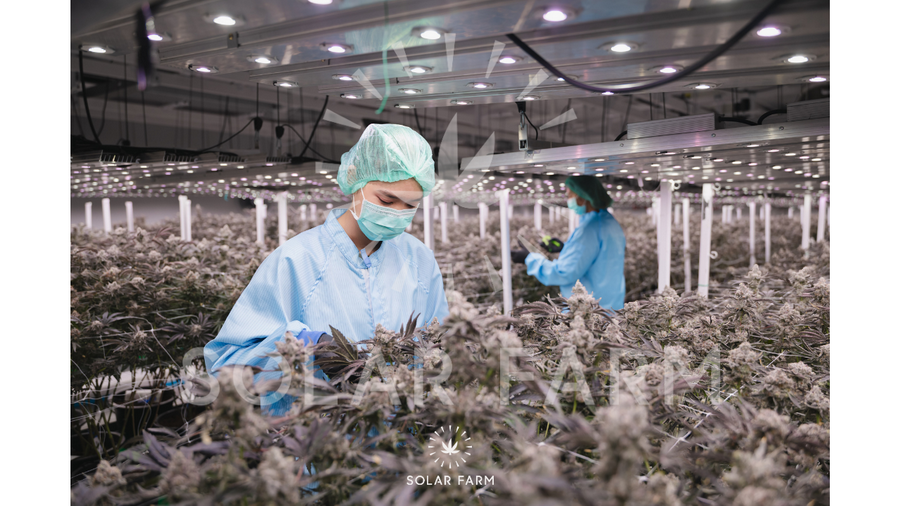
GACP expects farms to maintain and document all equipment that affects cultivation. Solar Farm Thailand completes logs on every inspection date and records machine status, cleanliness, and electrical safety. Any defect gets a corrective action with the date, person in charge, and verification. This preserves product safety for medical cannabis and keeps records audit ready.
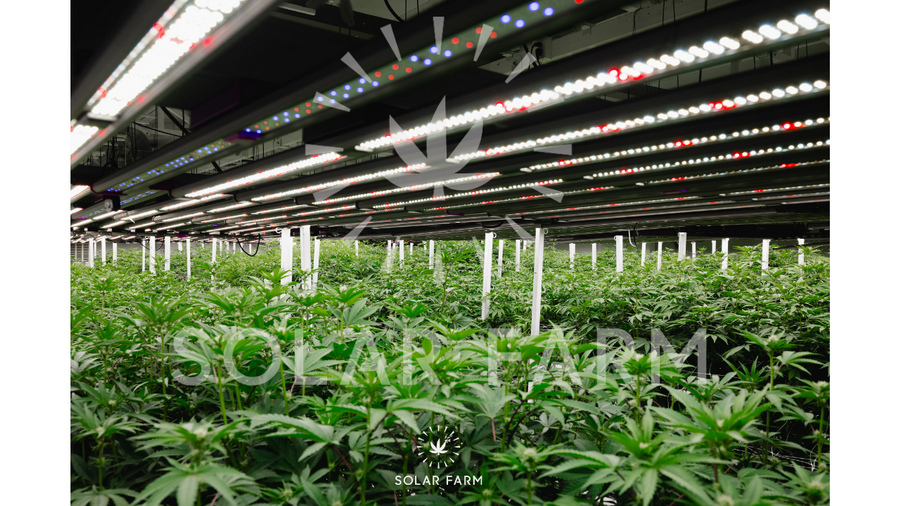
Date, room, machine ID, status, readings, and action. For lights, include on state, height in cm, and canopy heat. For dehumidifiers, include set point, filter status, and drain check. For ACs, include supply air temperature and coil check. For fans, include speed and vibration notes. Add the name of the operator and the verifier.
Distribution boards, breakers and residual-current protection
Reliability starts upstream of the appliance. Each room’s distribution board is opened on a fixed schedule by a competent person, who checks for nuisance-tripping breakers, discoloured terminals, loose neutral bars and moisture ingress, the usual hazard in a humid grow room.
Residual-current devices are push-button tested and the result logged as pass or fail against the circuit label; typical practice is a monthly push-button test plus a periodic instrumented test by a qualified electrician. Labels must match the room drawing so a single dehumidifier or lighting bank can be isolated without darkening the room.
Load is reviewed after every equipment change. Adding a dehumidifier without checking the circuit rating is a common cause of board overheating; an auditor will want evidence the change was assessed before energising.
Sensor calibration: the log is only as good as the reading
Environmental readings depend on probes that drift. Room sensors are checked against an identified reference instrument at set intervals and the difference recorded. A probe outside tolerance is tagged, removed and recalibrated, and the rooms it served are noted so affected batch records can be reviewed.
The practical test for any farm, Solar Farm Thailand included, is whether a GACP auditor can trace a flowering batch from harvest record to room, to environmental data, to the probe’s calibration status.
Failure response, deviations and buyer due diligence
A unit that fails between inspections is a deviation, not a simple repair. The record captures:
- fault time and the room readings at that moment;
- the interim measure used to stabilise the room;
- when the room returned to its SOP range;
- the permanent repair, its re-test and the verifier’s signature.
Repeated deviations on the same machine trigger a root-cause review, not another swap of the same part. Typical patterns are lighting contactors that stick, fan motor capacitors that weaken in a warm plant room, and shared circuits that trip when a second unit starts; each earns a shorter maintenance interval, dated in the SOP revision history.
Licensed buyers often ask for this material alongside the third-party COA. A log showing faults caught, contained and verified is stronger evidence than one showing none; every auditor knows equipment fails.
FAQs
Last updated: 15 September 2026