Power Outage Protocols for GACP Cannabis Farm
Electricity drives growth, safety, and quality. Solar Farm Thailand, a cannabis farm in Pathum Thani, north of Bangkok, runs defined outage protocols to protect equipment, stabilize environments, and keep medical cannabis compliant for wholesale in Thailand.
Log every incident in the QA system with times, rooms, causes, actions, and verifications. Managers and QA review every event. Also record and track the corrective and preventive actions to closure. Records remain audit ready.
Safety Gate Before Any Check
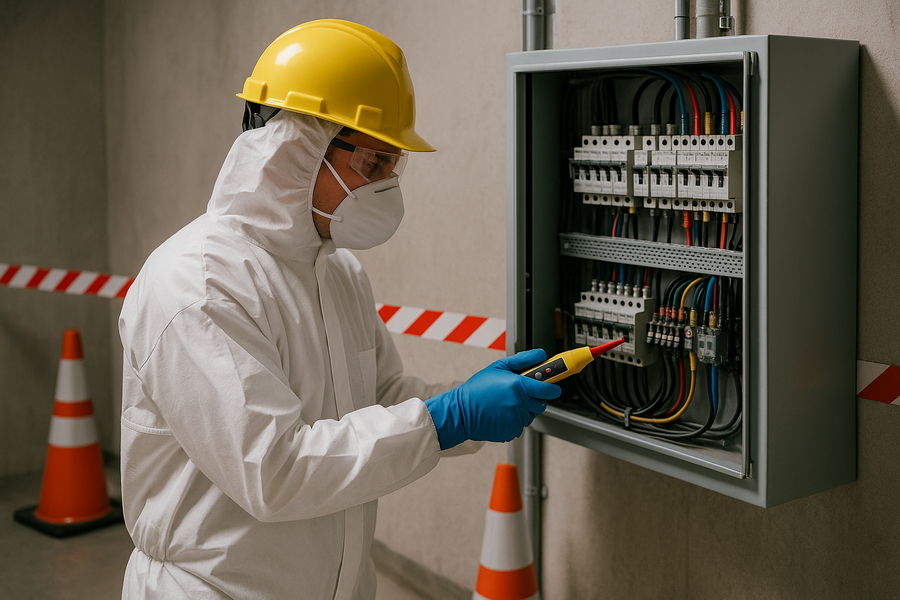
Teams confirm personal safety first. Staff wear PPE. Use non-contact testers to verify circuits are de-energized. Staff scan for leaks, scorch, and odor. They secure the area before opening panels or racks. Only trained personnel proceed.
During the Outage
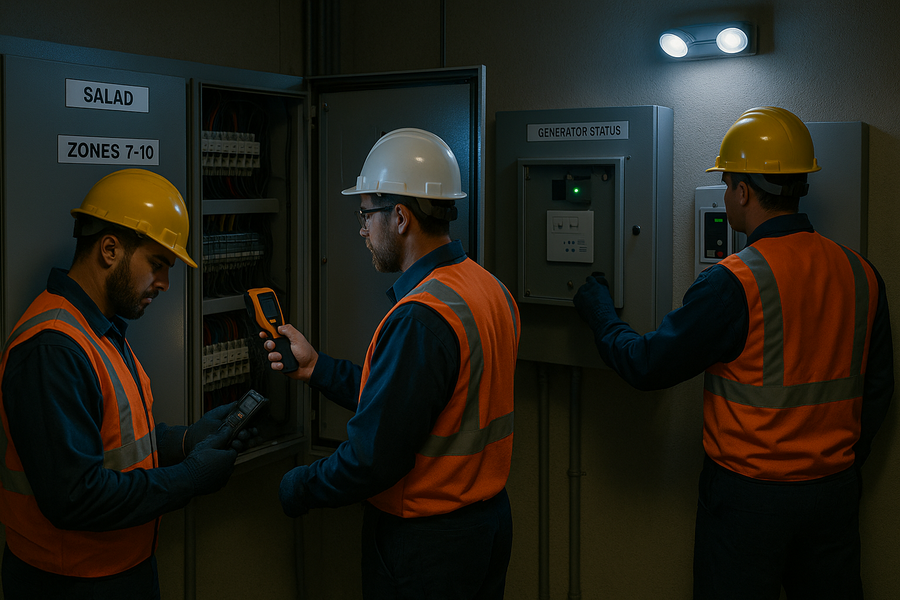
Inspect visible cables and terminals for heat or damage. Measure phase loss and voltage. Confirm UPS health and runtime. Verify generator status, load transfer, and fuel levels. Document the suspected cause and call factory electricians if thresholds are exceeded.
Environmental Recovery
HVAC targets resume first to stabilize temperature and RH. CO₂ dosing resumes only after airflow and exhaust are normal. Dehumidifiers clear moisture spikes from the downtime. Staff walk rooms for condensation, standing water, and hotspots. Staff dry wet surfaces and log the action.
Prevention and Drills
Solar Farm Thailand schedules monthly tests exercise generators, ATS, and critical UPS paths. Batteries follow a replacement schedule. Panels are thermally scanned on a set cadence. Staff run brief drills so the sequence is automatic when a real event occurs.
What the outage log records
Every outage at Solar Farm Thailand is written up whether it lasted four seconds or four hours. The entry carries the time power dropped, the time it returned, which rooms were affected, whether the generator picked up the load, and the room conditions at the moment supply came back. Short interruptions are logged for the same reason near misses are logged in any regulated operation: the pattern is the useful part, and a pattern of brief drops is usually the first warning of a failing component.
Recovery is checked in a fixed order rather than by whoever gets there first. Climate control and dehumidification come before lighting, because a sealed room that comes back to full light with no dehumidification will hold moisture in the canopy exactly where it does the most harm. Irrigation restarts last, once the controller has been confirmed to hold its schedule rather than replaying a missed cycle.
The log feeds two decisions. It sets the service interval for the generator and the uninterruptible supplies, and it tells us which rooms carry the most risk, which is where any spare capacity goes first. A drill is run against the written procedure rather than against what the team remembers doing last time.
Controllers, clocks and data gaps after restoration
Controllers, timers and lighting contactors can reboot to defaults or lose their clock after an outage, which shifts every schedule that depends on it. In a flowering room the light period matters most, so the first check after restoration is every clock, then every setpoint against the approved values for that room.
A gap in the data-logger trace is annotated with the outage reference and left as a gap; nothing is backfilled, since an unbroken trace across a known outage gives an auditor grounds to question every record from that room. Sensors that lost power are checked against a handheld meter before being trusted.
Assessing the batch, not just the building
QA review at Solar Farm Thailand then moves from the room to the batch. A deviation is raised for each batch in an affected room, recording how long it sat outside its climate range, the growth stage, and what the walk-through found at the canopy. Dense late-flower canopies get closer inspection over the following days, since a humidity spike often surfaces later as mould inside the bud.
The deviation stays open until those inspections are complete; its outcome goes on the batch record. When the third-party Certificate of Analysis returns, the microbiological result is read alongside it. A licensed buyer reviewing the documentation pack sees that the event was known, assessed and closed, not discovered from a test result.
Drying rooms and stored product
Drying and curing rooms are the most exposed spaces in an outage: they depend entirely on dehumidification and airflow, and harvested flower, unlike a live plant, cannot recover from a humidity spike. Typical practice is to log any loss of drying-room climate as a deviation regardless of length, then on restoration to check:
- Temperature and humidity against the drying target
- Airflow across the racks, every fan running
- Racks nearest walls and floor, where moisture settles first
- Humidity indicators in sealed storage, any shift noted on the lot
Where drying was interrupted, the record notes the pause so total drying time and the final moisture check read correctly. A batch that dried unevenly is held for another moisture check rather than released on schedule.
Last updated: 15 September 2026