Hermaphrodite Plant Risks
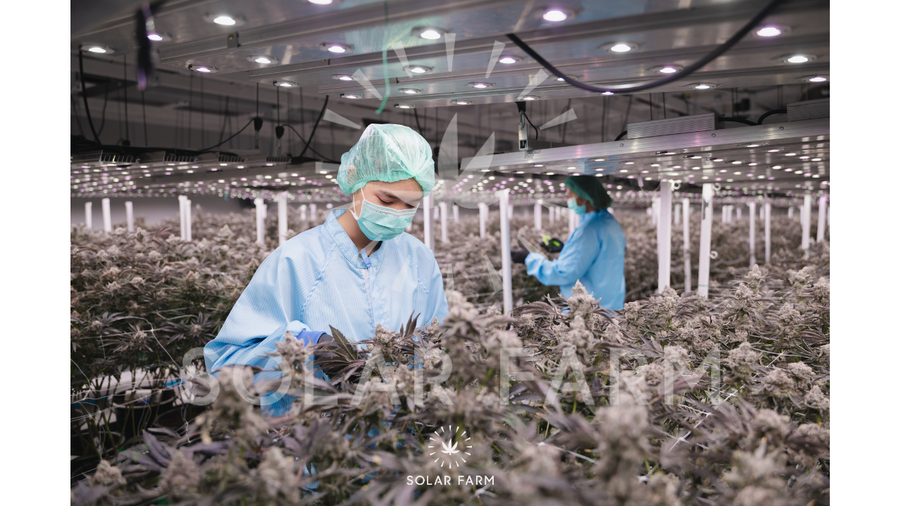
Hermaphrodite cannabis threatens crop quality and buyer confidence. At Solar Farm Thailand, a cannabis farm in Pathum Thani, north of Bangkok, any appearance of banana flowers can jeopardize entire lots by spreading pollen and seeding flowers. We prevent this with tight inspections, fast removal, strict hygiene, and complete records so medical cannabis stays consistent for cannabis wholesale in Thailand.
Banana flowers are male pollen sacs that can fertilize nearby plants. Once pollinated, buds divert energy to seed and lose density, aroma, and cannabinoid potential. That outcome is unacceptable for medical buyers and for cannabis wholesale Bangkok. Solar Farm Thailand treats every suspect site as urgent. Rapid identification and removal protect purity, preserve terpene and cannabinoid profiles, and keep lots saleable for cannabis wholesaler Thailand partners.

GACP-aligned inspection and removal
Solar Farm Thailand embeds GACP in daily work. Flower rooms receive scheduled inspections from week 4 to week 6 when stress-induced sacs often appear. The team scans lower branches, tight canopy zones with limited airflow, and top colas that can hide early structures. Findings are logged, and affected plants move to controlled handling. Immature banana flowers are pinched cleanly. Mature sacs are cut with sterilized scissors. Removed material goes into sealed waste and never reenters the room. Each plant then gets a second pass to confirm the site is clear.
How inspections run in practice
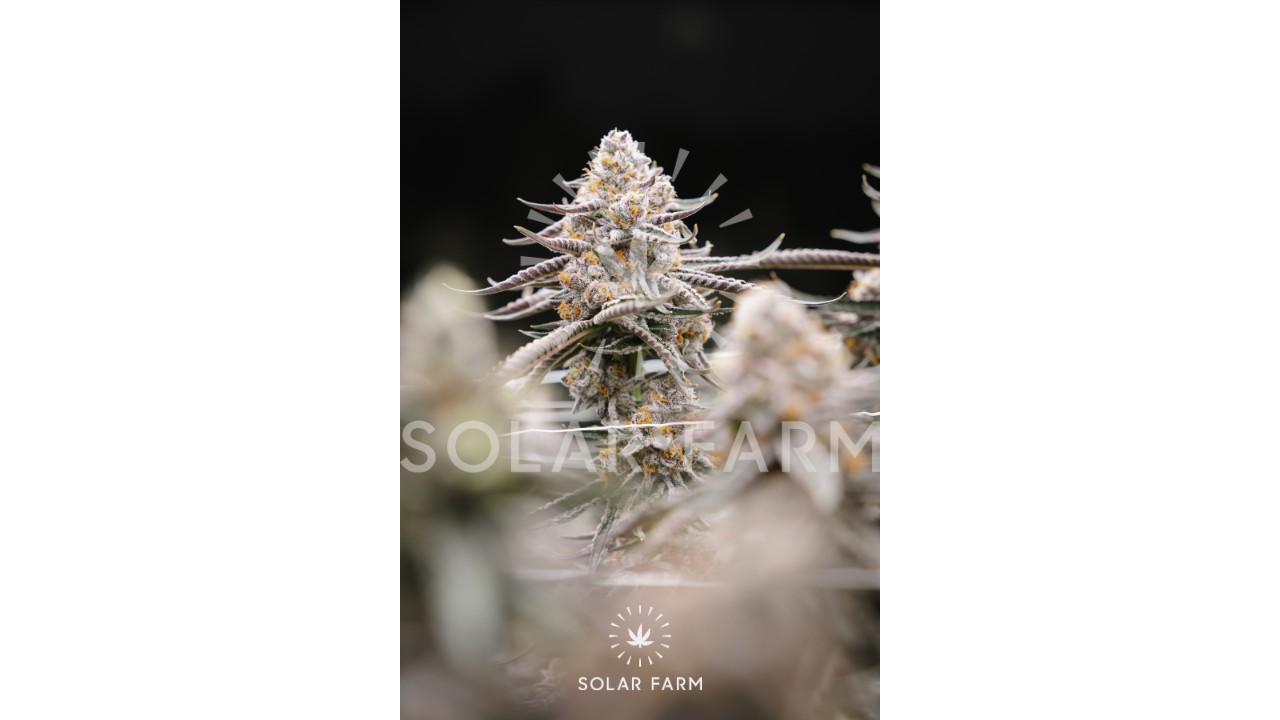
Inspectors move methodically down each row with consistent angles and light. They part dense leaves, check interior nodes, and look for deformities, off-color tissue, or early mold that can accompany stress. Upper buds get a close visual because stacked bracts can mask a sac. Rooms with heavier foliage receive slower passes to avoid misses. When a sac is found, work pauses and the removal kit comes out at the plant to stop pollen movement.
Recordkeeping and traceability
Every inspection and removal creates a trace. Logs capture room, date, plant ID, location on the plant, action taken, and staff names. Reinspection results are appended. These records prove compliance for audits and give operations data to spot patterns by room, cultivar, or week of flower. The trace supports reliable supply for cannabis wholesale in Thailand and shortens buyer due diligence.
Removing the stress triggers before flower
On stable genetics, banana flowers usually trace back to stress, so prevention starts with the room: light reaching the canopy in the dark period, a photoperiod timer that has drifted, heat building under the lamps, or a crop left past peak maturity.
A lights-off walk of each flowering room shows glow at door seals, indicator LEDs and ducting gaps. Leaks are shrouded the same day and noted against the room; timer settings are checked against the written schedule on every round.
Where the log shows one cultivar producing sacs across different rooms, the fault sits in the mother stock, not the environment. Solar Farm Thailand reviews a repeat offender at mother-plant level before the next clone run and records the outcome.
Containment when pollen may already have moved
A mature sac changes the task from removal to containment. Typical practice is to stop air movement first, because a running fan spreads pollen faster than any hand can work.
- Mist the sac with plain water before touching it; wet pollen does not drift.
- Bag the sac before cutting and seal it at the plant.
- Change gloves and wipe tools between plants.
- Cull the whole plant where sacs appear at several nodes or late in flower, and segregate it from the lot.
Neighbouring plants are flagged for a seed check at harvest. Hard seeds in the dry room prove that pollen travelled, and any seeded portion is kept out of the batch.
What an auditor or licensed buyer asks to see
Under dual Thai GACP and EU-GACP, the sac removal entry is only half the evidence. An auditor wants a deviation tied to the lot, a root cause (light leak, failed timer, named cultivar) and a corrective action closed and verified. Typical findings are a removal with no re-inspection recorded, or a cause left blank.
The third-party COA on every batch certifies potency and contaminants but does not normally report seed content, so the visual QC record from trimming and drying is what proves a lot seed-free. Solar Farm Thailand files the two together so a licensed buyer’s due diligence does not stall on the question the COA cannot answer.
Last updated: 14 September 2026