Topping Practice for Cannabis
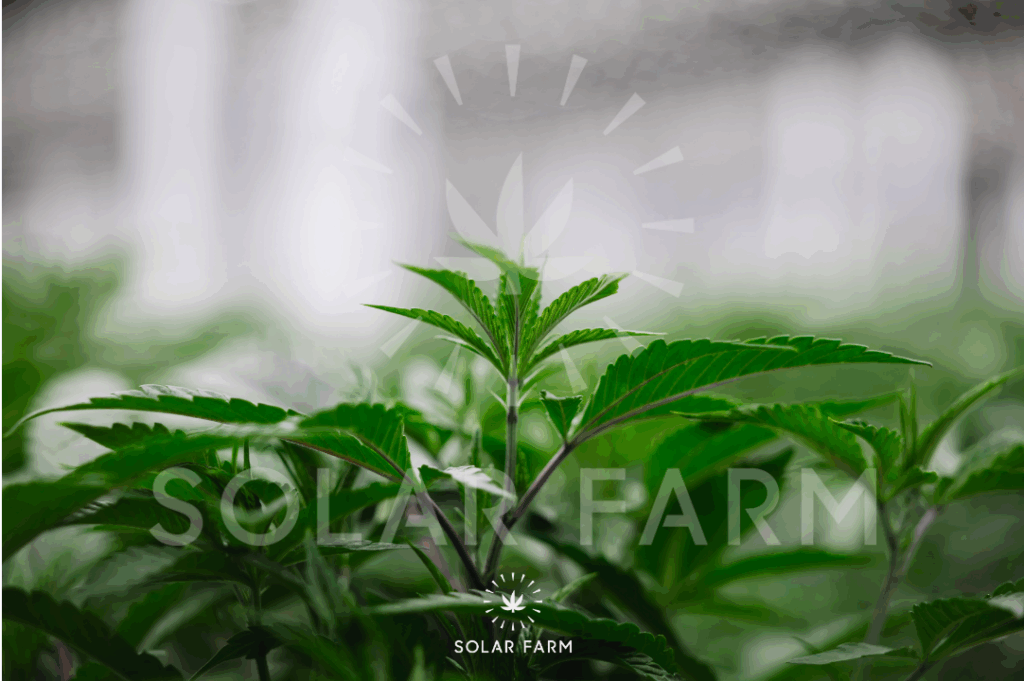
Topping removes the apical shoot during vegetative growth to interrupt apical dominance. This hormonal shift redistributes growth to lateral buds so plants branch wider and present more productive sites under uniform light. In practice this supports higher usable flowers per square meter and steadier quality for medical cannabis wholesale in Thailand. The physiology is well studied in horticulture: removing the shoot tip reduces auxin influence and allows cytokinin-driven axillary buds to extend.
Step-by-Step Procedure
Confirm the plant is ready
Work only in vegetative growth on vigorous plants. A common window is once the main stem has 4–6 complete nodes and roots are established. Most plants recover within 3–7 days if conditions are stable.

Prepare tools and the bench
Sanitize cutting tools before and after each session to avoid moving pathogens between plants. Extension guidance supports wiping or dipping pruners in isopropyl or ethanol at 70 percent or higher, used straight from the bottle. Staff should work clean with gloves, masks or hair covers, and a tidy bench, then bag green waste and clear the aisle. Clean handling reduces disease pressure and aligns with documentation expectations under GACP.
Pick the cut point
Count nodes from the base. Choose a healthy node stack that will carry the new tops evenly under your lights. Make a clean cut just above the chosen node so the two axillary buds below receive energy and become new leaders. Avoid cutting into the node.

Aftercare in the first 72 hours
Return plants to steady VPD, light, and irrigation. Do not stack other high-stress tasks on the same day. Inspect 24–48 hours later. If one side lags, use gentle low-stress training to balance height for uniform PPFD. Recovery typically completes within one week for vigorous plants.
When to top again and when to flip
If you plan a second topping, wait until each new leader has produced several nodes and the plant has fully resumed growth. Many programs allow 1–2 toppings before flowers. Allow a short recovery window before switching to 12/12.
Pro tips
- Keep the canopy level. Topping is most effective when combined with even light and airflow.
- Do not top in flowers. Hormonal priorities have shifted and recovery can reduce yield.
- Be cautious with auto flowers. Their short veg period limits recovery. Many growers avoid topping autos or only top very early on vigorous plants.
- Consider selective cleanup below the first node after topping if those sites never produce strong branches in your cultivar. This concentrates growth on upper nodes.

Training is effective only with stable room conditions. Keep airflow through the canopy and manage humidity, since persistent high humidity supports fungal problems in flowers. Facilities that pair pruning discipline with RH control report fewer mold events and more predictable drying. Monitor lights-off periods when RH spikes are common.
What does topping change inside the plant?
It reduces apical dominance and releases axillary buds, which then extend and become new tops.
When should I avoid topping?
Avoid topping in flowers and avoid topping weak or stressed plants. Most programs top once plants are vigorous at mid-veg.
Recording the topping event under GACP
A training cut is a cultivation activity, so it belongs in the batch record. Each room’s entry should carry the lot identifier, cultivar, date, the node above which the cut was made, the number of plants topped and the operator’s initials, with tool sanitation signed on the same line.
An auditor reads this against the written procedure. A room topped outside the stated node window, or more times than the procedure allows, is a deviation and needs a note saying why and who approved it. Licensed buyers rarely ask about topping itself; they ask how a batch was kept uniform, and a dated training log answers that.
Topping errors and how they are put right
The most frequent error is cutting too close to the node, which damages the axillary buds meant to become the new leaders. Growth restarts one node lower and the plant sits a tier below its neighbours, so leave a short stub and check the first few cuts before continuing.
- Recovery running well past the expected window: the plant was probably root-bound, dry or pest-laden when cut. Fix the cause before training again.
- One leader outgrowing the other: uneven light or an off-centre cut. Gently tying down the taller side is enough if caught early.
- Darkened or wilting tissue at the cut on several plants: suspect the tool. Quarantine those plants, re-sanitise the tool and record it.
Each correction is written up as a deviation; a record showing a problem and its fix carries more weight with an auditor than one with none.
The go or no-go check before the flip
Before a room goes to 12/12, walk the benches and confirm that every plant has resumed growth, that the new leaders are close in height and that none still shows pale or drooping growth. Record height at flip per plant or tray; it later explains stretch differences between rooms.
Plants that fail the check are tied down or held back rather than flipped late. Set against dried weight at harvest, height and leader count let a multi-room facility such as Solar Farm Thailand, with its 22 flowering rooms, judge per cultivar whether one topping or two pays better.
Last updated: 14 September 2026